
The difference in one minute
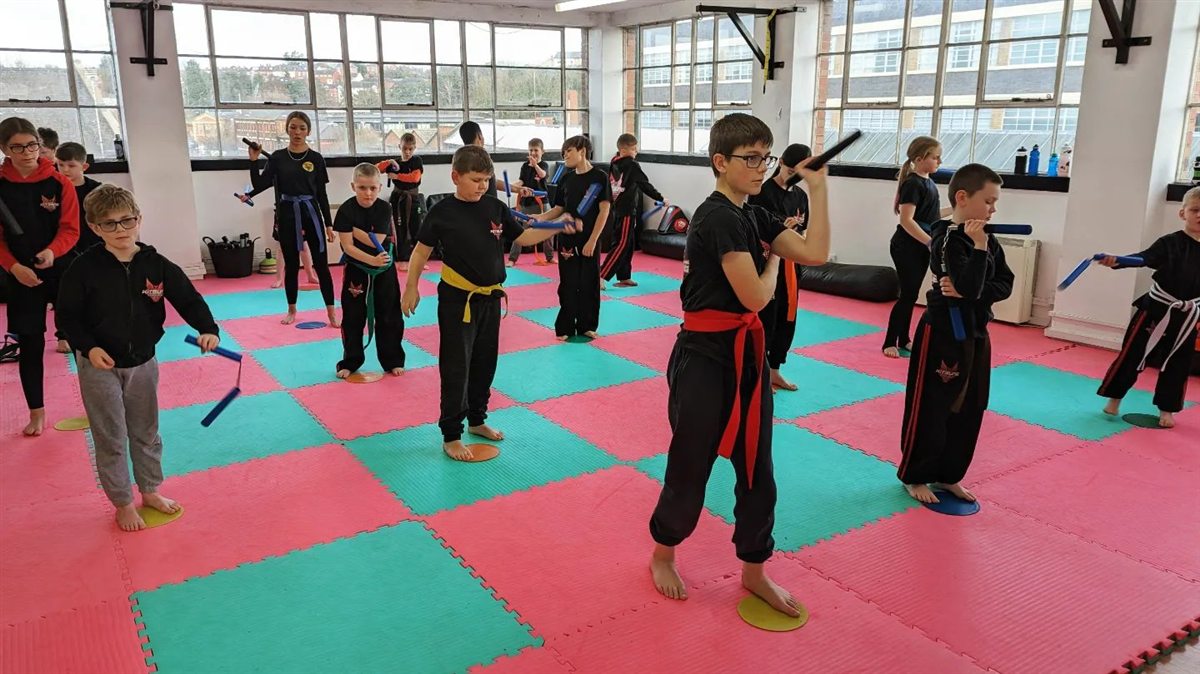
Kitsune Kids is the broader martial arts route. Its published curriculum combines kickboxing, boxing, grappling and practical self-defence, so a child experiences both striking and close-range skills.
Youth Thai Boxing is the more specialised route. Its published class format centres on pad work, bag work, partner drills, technical development and controlled practice.
Both programmes are for children aged 7–12. The decision is therefore less about age and more about the type of training your child is most interested in.
Choose based on class content, not which name sounds tougher
Neither programme is the “easy” or “advanced” choice by default. They teach different material.
Kitsune Kids may be the better starting point when a child:
- wants to try several parts of martial arts before specialising;
- likes a mix of striking, grappling and self-defence activities;
- would enjoy variety from one part of the curriculum to the next; or
- is interested in martial arts generally but does not yet have a preferred style.
Youth Thai Boxing may be the better starting point when a child:
- is particularly interested in pad work and striking technique;
- enjoys repeating and improving a focused set of skills;
- prefers the rhythm of bags, pads and partner drills; or
- already knows that Thai Boxing is the style they want to explore.
These are decision clues, not entry requirements. A child’s response to the actual class matters more than a parent trying to predict the perfect choice from a webpage.
What does “controlled practice” mean here?
The current Youth Thai Boxing description includes partner work and controlled sparring. It does not publish a universal formula for how every child takes part, and parents should not assume that every session or student follows the same progression.
Before the first class, tell the coaching team about your child’s experience and any questions you have. During the trial, look for clear instructions, an appropriate pace and coaching that matches the child’s current level. If your child has a health condition or additional physical needs, seek relevant professional advice and discuss their needs with the academy before participating.
The NHS guidance for children and young people recommends activity suited to a child’s age, ability and experience, with new exercise introduced gradually. It also lists martial arts as one example of activity that can strengthen muscles and bones.
A simple five-question checklist
Ask these questions with your child:
- Do you want to learn a mixture of striking, grappling and self-defence, or focus more closely on Thai Boxing?
- Does variety keep you interested, or do you enjoy repeating technical drills and seeing them improve?
- Which class description makes you curious rather than nervous?
- After trying a class, did the instructions feel clear and manageable?
- Which session would you genuinely look forward to attending again?
The first three questions help you choose a starting point. The final two help you judge the real experience rather than the label.
How to make the choice locally
Kitsune lists venues across Kidderminster, Bromsgrove, Aston Fields, Wychbold and Droitwich Spa. Programme schedules and availability are not published on the current site, so first check the location overview and then ask the team which 7–12 sessions are currently available at the venue that works for your family.
If you are still unsure, start with the option that best matches your child’s interests and request the free week. The trial is the practical way to compare the written description with the coaching, pace and class atmosphere your child actually experiences.