
Why do both age bands include seven?
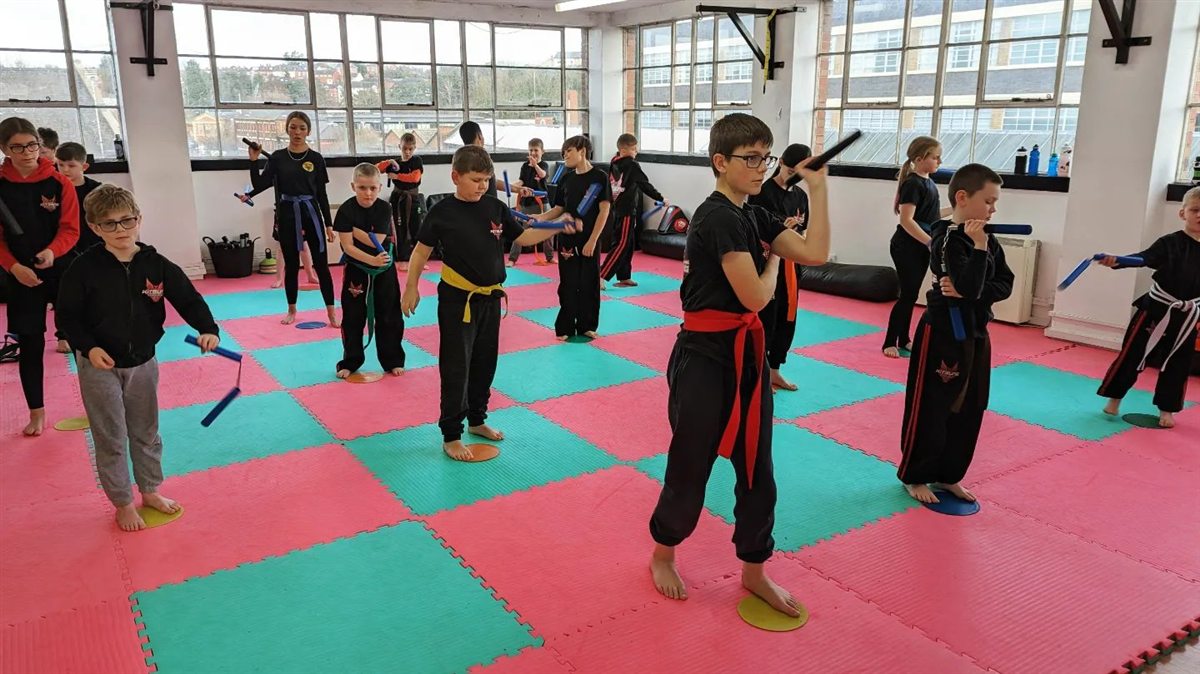
Kitsune currently publishes Kitsune Cubs for ages 4–7 and Kitsune Kids for ages 7–12. The overlap gives a parent two age-eligible routes; it does not publish a rule that every child changes class on their seventh birthday.
That is useful because two children of the same age can respond differently to a new group, a longer instruction, a change of activity or a broader curriculum. It is also important not to invent a hidden admissions or progression policy. Only the Kitsune team can confirm the appropriate current class for an individual child.
Compare what the programmes emphasise
The public descriptions give the clearest verified distinction.
Kitsune Cubs is the introductory route. Its published description emphasises a fun, age-appropriate introduction to martial arts, with balance, coordination, motor skills, concentration, teamwork, courtesy, respect and focus.
Kitsune Kids is the broader martial arts route. Its published description centres on a blend of kickboxing, boxing, grappling and practical self-defence, alongside positive interaction and goal-setting.
These descriptions explain the programme focus. They do not prove that every session follows one fixed lesson plan or that one route is easier, harder or better. A parent should compare the real class experience rather than choosing from the programme name alone.
Start with your child’s situation
The right question differs for a complete beginner and a child who already attends Cubs.
If your seven-year-old is completely new
Ask which environment gives them the clearest first step. Useful clues include whether they can understand enough of the instructions to join in, recover after a mistake, ask for help and stay interested through changes of activity.
Do not turn those clues into an entrance exam. A new student can be quiet, uncertain or distracted and still have a positive first experience. The more useful test is whether the coaching and class format help them settle over more than one visit.
If your child already attends Kitsune Cubs
Do not assume that a birthday demands an immediate move. Ask what the coaching team looks for before recommending Kitsune Kids, what will feel different, and how a transition is introduced.
Continuity matters too. A child may value familiar instructions, classmates and routine, while another may be ready for a broader range of martial arts skills. The public pages do not state how Kitsune makes that decision, so treat it as a conversation rather than a rule.
Ask these six questions before choosing
- What does a new seven-year-old do in each class during the first week?
- How do the instructions and activities differ between Cubs and Kids?
- How does the team decide which group is the better starting point?
- If my child already attends Cubs, what signs suggest that a move would help?
- Can we review the choice if the first class does not feel right?
- Which programme is currently available at the venue we can attend?
The last question matters locally. Kitsune has a verified Kidderminster base at Paddington House, New Road, DY10 1AL, but its public pages do not publish current programme-by-venue timetables or availability.
Use the free week to judge fit, not performance
During the free week, look for a pattern rather than a perfect first class:
- Can your child follow enough of the session to participate?
- Do they understand how to ask for help?
- Does the class hold their interest after the novelty wears off?
- Does the pace feel manageable without making them feel held back?
- What do they say when you ask which part they would like to do again?
The NSPCC’s guidance on supporting a child in sport recommends listening to the child, keeping sport fun and focusing on progress rather than pressure. That is a helpful way to discuss the trial: ask what felt clear, enjoyable or difficult before deciding which label looks right on paper.
Parents can also use Sport England’s current advice for assessing a sports or activity provider to ask about the provider’s current safeguarding policy, procedures and welfare contacts. Those are general questions for any children’s activity; this article does not claim Kitsune-specific arrangements that are not publicly verified.
Make the first enquiry specific
The general guide to what to expect at a first martial arts class covers clothing, arrival and basic preparation. If your child is at the age-band boundary, add one clear sentence to your enquiry: “My child is seven and we are unsure whether Cubs or Kids is the better starting point.”
You can also read the frequently asked questions before you request the free week. Ask the team to confirm the current programme and venue rather than assuming that both options run at the same place or time.
The goal is not to find a universally correct class for all seven-year-olds. It is to choose the current Kitsune route in which your child can understand the coaching, take part at an appropriate starting point and want to come back.